
Our industry has proven that high-quality refurbished equipment can deliver exceptional value, reliability and sustainability benefits. Yet many organisations still automatically think ‘new first’.
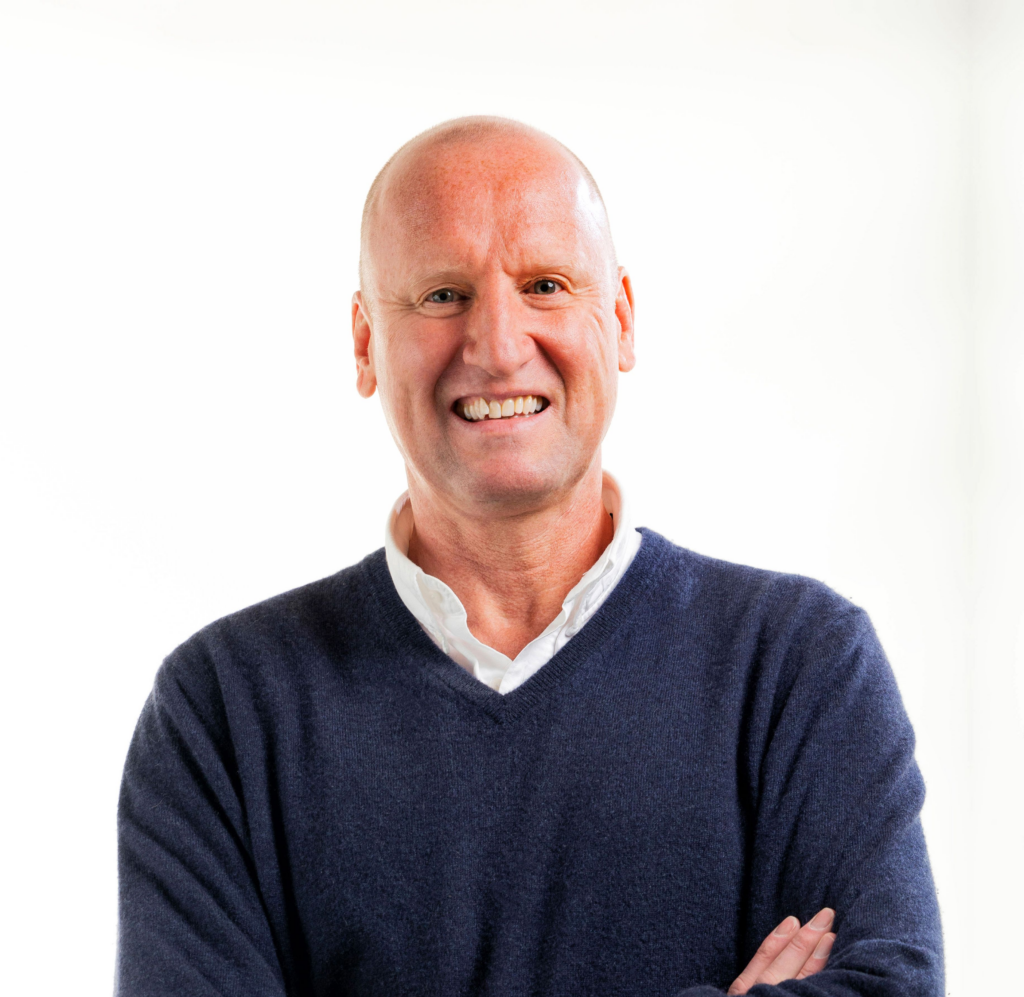
Mario Biemans, Owner, Brokersite
This is your first time as a judge with the Circular Tech Awards. What are you looking forward to most?
What excites me most is discovering the people and companies that are pushing our industry forward. Through TheBrokerSite.com and the European Broker Meeting, I have had the privilege of working with thousands of traders, refurbishers and ITAD companies over the past 25+ years. I know how much talent exists in our sector, but many of the best success stories often stay behind the scenes.
I am looking forward to seeing innovative business models, entrepreneurial thinking and practical solutions that help extend the life of technology. Sustainability is important, but ultimately businesses need to create value and make money. The companies that successfully combine commercial success with environmental benefits are the ones that will have the greatest long-term impact.
What makes a good application?
For me, authenticity is key. A good application tells a real story. It shows not only what a company has achieved, but also why it matters.
I am less interested in marketing language and more interested in results. What problem are you solving? What impact are you making? How does your business create value for customers? The strongest applications will be those that can clearly demonstrate both commercial success and contribution to the circular economy.
At the end of the day, sustainability without a viable business model is difficult to scale. The best companies in our industry prove that doing good for the environment and doing good business can go hand in hand.
As someone who works closely with the broker industry, how much is sustainability becoming part of the conversation?
The difference compared to ten years ago is enormous.
When I started TheBrokerSite.com in 1999, most conversations were focused on pricing, availability and logistics. Today, sustainability is part of almost every discussion. Customers increasingly want to understand the environmental impact of their purchasing decisions, and companies are looking for ways to demonstrate their contribution to the circular economy.
That said, I sometimes feel the conversation focuses too much on sustainability alone. The reality is that businesses invest in circularity because it makes economic sense. Extending product life, maximising reuse and reducing waste are not only good for the environment—they are good business. If there was no business case, the level of interest would be much lower. The strength of our industry is that the commercial and environmental benefits are aligned.
If there was one thing you could change about the refurbished industry, what would it be?
I would like to see refurbished technology become the default choice rather than the alternative choice.
Our industry has proven that high-quality refurbished equipment can deliver exceptional value, reliability and sustainability benefits. Yet many organisations still automatically think ‘new first’.
The strongest argument for refurbished technology is not sustainability alone. It is that customers can obtain excellent products at a lower cost while also reducing environmental impact. When the economic and environmental benefits come together, everybody wins. If we can continue educating buyers, governments and enterprises about that reality, we can significantly accelerate the growth of the circular economy.